What Is an Air Source Heat Pump — and Would One Suit Your Bristol Home?
Last reviewed: 2 October 2026
An air source heat pump is an electric heating system that collects warmth from outside air. This guide explains what it is, what it replaces, what you'd see at home, and how well it fits Bristol's mix of stone terraces, semis and flats.
The one-sentence version
An air source heat pump is an electric heating system that takes warmth from the outside air — even in winter — and moves it into your home to run your radiators and heat your hot water, doing the job a gas boiler does now.
What it replaces
In most Bristol homes, a heat pump takes the place of a gas boiler. It can also replace an oil or LPG boiler (common in parts of Long Ashton and around Thornbury) or electric storage heaters. Your radiators stay, though some may be swapped for larger ones, and you keep using hot taps and showers as normal.
What you’d actually see
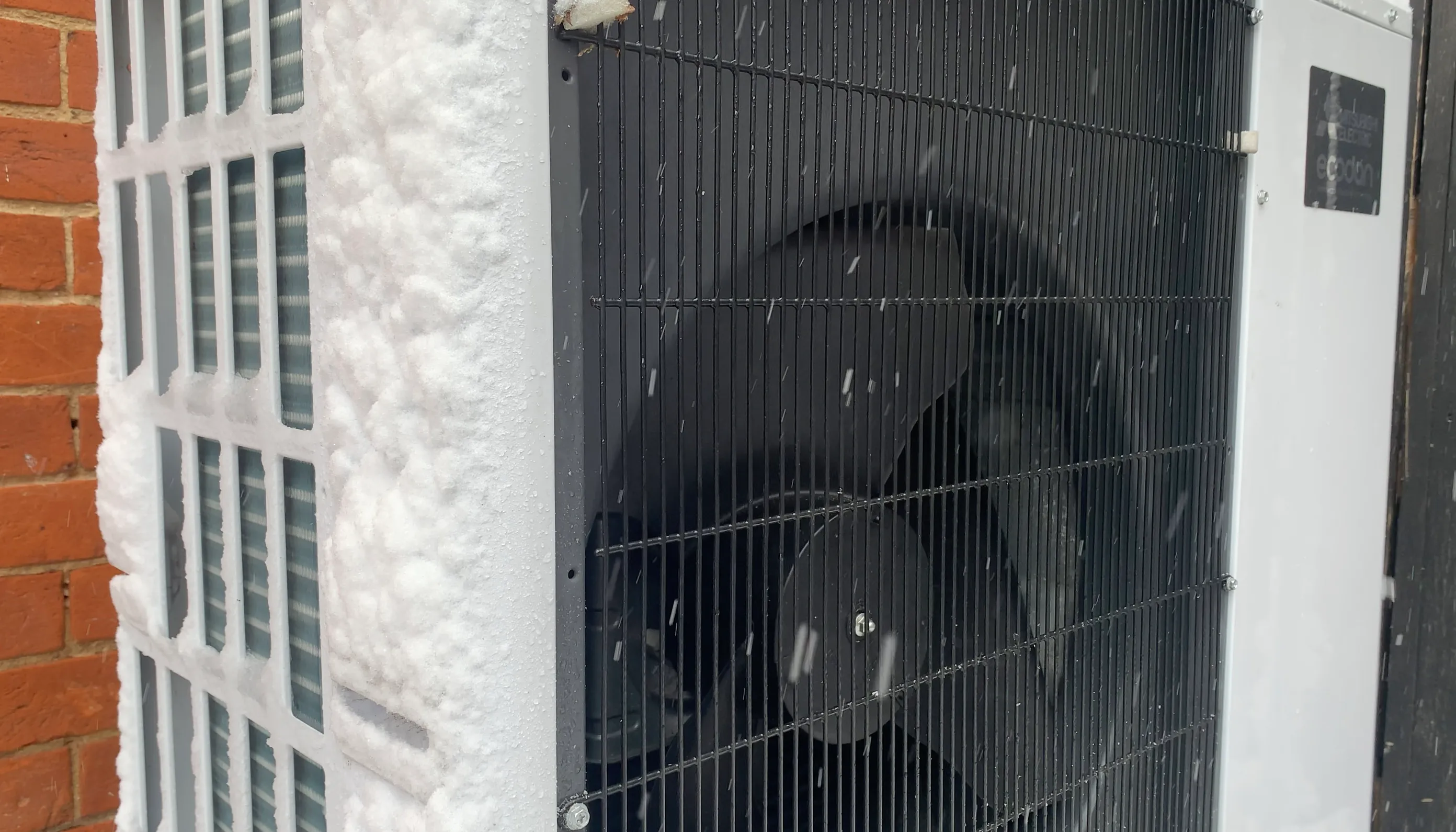
Outside: a metal unit roughly the size of a large suitcase on its side, with a fan behind a grille. It sits on a slab or a wall bracket, usually at the back or side of the house. In a Bristol terrace that often means the back yard; on a sloping garden in Totterdown or Windmill Hill, sometimes a small base built into the bank.
Inside:
- a hot water cylinder, typically 180–250 litres, often where an airing cupboard used to be (many Bristol homes lost theirs to combi boilers, so one may need to go back in)
- a controller on the wall or an app on your phone
- some pipework linking the outdoor unit to the cylinder and radiators
There’s no flue, no gas supply and no combustion anywhere in the house.
Why people are switching
- Efficiency. A good heat pump delivers three to four units of heat for each unit of electricity it uses. A gas boiler turns one unit of gas into slightly less than one unit of heat.
- The grant. The Boiler Upgrade Scheme takes £7,500 off the installation (£9,000 if you’re replacing oil or LPG, on applications until 31 March 2027).
- Running costs. On a sensible tariff, most Bristol homes spend a few hundred pounds a year less than with gas. Our running cost guide has examples.
- No combustion. No carbon monoxide risk and no annual gas safety check if the gas is capped.
Would it suit your home?
Most Bristol homes can take a heat pump. A quick self-check:
| Question | Why it matters |
|---|---|
| Is there somewhere outside for the unit, away from the street? | Bristol has 33 conservation areas; a road-facing unit in one needs planning permission |
| Is there room for a hot water cylinder? | Needed unless you already have one |
| How old are the walls? | Pre-1920 stone and brick lose heat faster, so radiators may need upgrading |
| Is your home listed? | You’ll need listed building consent, though heat pumps are still possible |
Georgian and Victorian homes in Clifton, Cotham and Redland work well with a careful design and some larger radiators. Interwar semis in Westbury-on-Trym and Henleaze are among the simplest conversions. Flats depend on space for the outdoor unit and the freeholder’s agreement.
Bristol’s climate is on your side. It’s one of the mildest big cities in England, which lets a heat pump run efficiently through most of the winter.
What it costs
Most Bristol installations cost £8,000–£14,000 before the grant and £500–£6,500 after it. See costs by house type.
Where to go next
- How a heat pump works: the mechanism, step by step
- The £7,500 grant: who qualifies and how it’s paid
- Heat pumps in Victorian and Georgian homes
See what a heat pump would look like in your Bristol home
The mechanism is the same in every UK home; the design is specific to yours. Our team carries out a free in-home survey including a full room-by-room heat-loss calculation, identifies the system size and configuration that fits your property, and provides a written quote with the £7,500 BUS grant already deducted.
You'll see the actual figure you'd pay — not an estimate — and the projected efficiency for your specific install.